Target's Recent Hurdles: Navigating Boycotts, Data Breaches, and Corporate Layoffs
Target Corporation (TGT), a household name across the United States, has long stood as a titan in the retail landscape. With its iconic red bull's-eye logo, this Minneapolis-headquartered mass-market retail company has carved out a unique niche, often perceived as an upscale discounter competing alongside giants like Walmart and Costco. However, even deeply entrenched retail powerhouses face storms, and Target has recently contended with a series of significant challenges, from widespread consumer boycotts to a lingering shadow of a major data breach and the somber reality of corporate layoffs. These hurdles underscore the complexities of modern retail, demanding robust strategies for cybersecurity, brand management, and economic resilience.
A Legacy of Innovation and Unrivaled Growth
The story of Target is one of strategic innovation and relentless growth, tracing its origins back to George Dayton's Dayton Dry Goods Company in 1902. What began as a department store chain eventually led to the opening of the first Target store in Roseville, Minnesota, in 1962. This marked a pivotal moment, as Target differentiated itself by offering department-store quality goods at discount prices, a concept that quickly resonated with suburban growth and increasing consumer demand for value. For a deeper dive into this journey, explore
The Evolution of Target: From 1902 Origins to Retail Powerhouse.
Target's success was fueled by several key differentiators. It became known for introducing limited-edition product lines created with famous designers, a groundbreaking approach that blended affordability with aspirational style. This commitment to design extended to its private-label brands and stylized store designs, cultivating an image distinct from its competitors. Today, Target operates approximately 2,000 discount department stores across all 50 U.S. states, boasting net sales of $106.6 billion in fiscal year 2024 and employing over 400,000 team members. Its expansive reach includes physical locations, online platforms, and delivery services, including same-day options via its Shipt subsidiary, ensuring convenience for over 75% of the U.S. population residing within 10 miles of a store. For more on how Target built its unique appeal, read
Target's Unique Edge: Designer Collabs, Private Labels, and Upscale Discounting.
Despite its impressive trajectory and foundational strength, no corporation is immune to the volatile currents of the market and consumer sentiment. Target's recent history is a testament to this reality.
The Shadow of the 2013 Data Breach: A Major Trust Erosion
One of the most significant blows to Target's reputation and customer trust came in late 2013 with a massive data breach. During the peak holiday shopping season, cybercriminals gained unauthorized access to Target's systems, exposing the credit and debit card details of up to 40 million customers, along with personal information for another 70 million individuals. This incident was not just a technical failure; it was a profound breach of consumer confidence that sent shockwaves through the retail industry.
The fallout was immediate and severe. Target faced extensive media scrutiny, regulatory investigations, multiple lawsuits, and a noticeable dip in sales as consumers hesitated to shop at a retailer whose security had been compromised. The company invested heavily in enhancing its cybersecurity infrastructure, overhauling its security leadership, and implementing more robust data protection measures.
Practical takeaway for businesses: The Target data breach serves as a stark reminder that cybersecurity is not just an IT department concern; it's a fundamental aspect of brand trust and business continuity. Companies must prioritize proactive threat detection, invest in state-of-the-art encryption, regularly audit their security protocols, and have a comprehensive incident response plan in place. Transparent communication with affected customers, coupled with concrete actions to rectify the situation, is crucial for rebuilding trust.
Navigating Cultural Crossroads: The 2023 Boycott Controversy
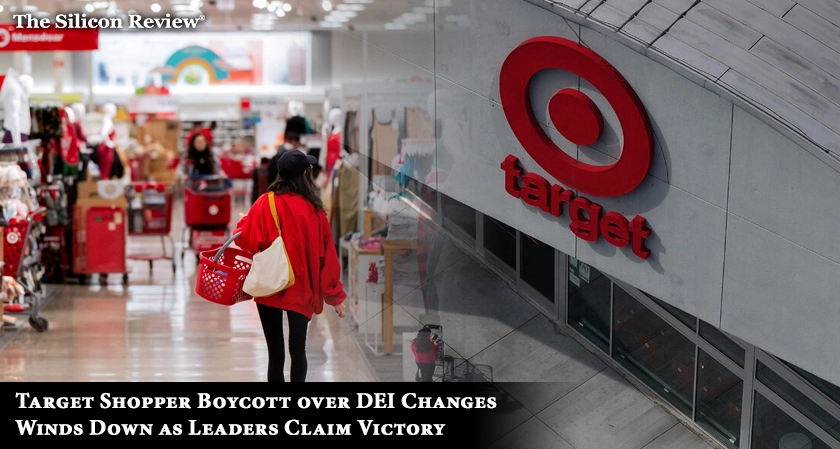
More recently, in 2023, Target found itself at the center of a different kind of storm: widespread consumer boycotts. The controversy erupted over its Pride Month merchandise, with particular items perceived by some consumers as promoting explicit themes to children. The backlash was swift and intense, spreading rapidly across social media platforms and leading to in-store protests and a significant drop in foot traffic and sales.
The financial repercussions were substantial. Target reported billions in lost sales, had to markdown unsold inventory, and faced pressure to reassess its diversity, equity, and inclusion (DEI) programs. The company even scaled back certain Pride-related displays and products in some stores due to safety concerns for its employees. This period was further complicated by shareholder lawsuits alleging inadequate disclosure of risks related to its DEI initiatives and product offerings.
This episode highlights the delicate balance corporations must strike when engaging with social and cultural issues. While many companies aim to be inclusive and representative, particularly with specific consumer groups, the polarized nature of today's society means such initiatives can inadvertently alienate other segments of their customer base.
Analysis for brands: The Target boycott illustrates the increasing challenge of navigating a complex and often fragmented consumer landscape. Brands must carefully consider their messaging, product assortment, and partnerships, understanding that while aligning with certain values can foster loyalty, it can also invite strong opposition. Robust market research and a deep understanding of customer demographics and values are more critical than ever, alongside a clear communication strategy for addressing both supportive and critical feedback.
Economic Pressures and Corporate Restructuring
Compounding these challenges, Target has also faced broader economic headwinds affecting the retail sector. Rising inflation, shifts in consumer spending habits, and an overall softening in demand have put pressure on retailers nationwide. For Target, these external factors, coupled with the internal stresses of the boycotts, contributed to a period of ongoing sales pressures.
As part of cost-cutting measures and a strategic realignment in response to this environment, Target announced significant corporate layoffs, with 1,800 positions affected in October 2025. These layoffs, particularly within its corporate structure, signify a move to streamline operations and adapt to a more challenging retail climate. While such decisions are often necessary for long-term financial health, they invariably impact employee morale and highlight the volatile nature of the modern corporate world.
Strategic insight for businesses: Corporate layoffs are always a difficult decision, reflecting a company's need to adapt to market realities, control costs, and maintain profitability. For businesses facing similar pressures, clear communication, support for affected employees, and a focus on strategic investments in growth areas can help mitigate the negative impact and position the company for future success. It's a re-evaluation of resource allocation to optimize for resilience and agility.
Conclusion
Target Corporation’s recent journey through boycotts, data breaches, and corporate layoffs serves as a powerful case study in the multifaceted challenges confronting modern retail. From the critical importance of robust cybersecurity to the complexities of navigating cultural sensitivities and the necessity of agile economic responses, Target’s experiences offer invaluable lessons. Despite these hurdles, Target's deep historical roots, its strong brand identity, and its commitment to innovation suggest a path towards resilience. The company's ability to adapt, learn from its trials, and strategically evolve will ultimately determine its continued success in an ever-changing consumer landscape.